Introduction
In the era of smartphones, tablets, and portable devices, battery life and charging speed have become top concerns for users worldwide. Waiting hours to recharge your device no longer fits into busy lifestyles, especially with the increasing demands we place on our devices daily. This is where the fast mobile charger shines — a technology designed to drastically reduce charging time and improve convenience.
A fast mobile charger isn’t just about speed; it’s about innovation, safety, and efficiency combined. This article provides a comprehensive overview of fast mobile chargers, explaining the underlying technologies, key benefits, how to choose the right charger, and tips to maximize battery health while fast charging. Whether you’re a casual user, a tech geek, or a buyer looking to upgrade your accessories, this guide has you covered.
What is a Fast Mobile Charger?
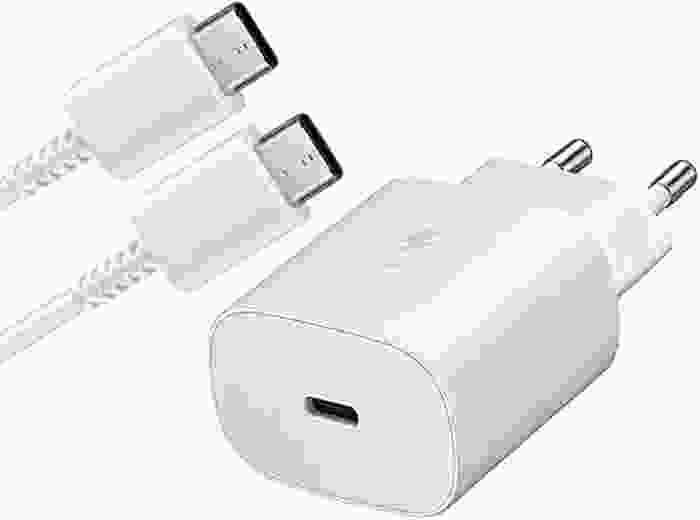
A fast mobile charger is a charging device capable of delivering electrical power at a higher rate than a traditional charger, reducing the time required to recharge your device’s battery. Unlike conventional chargers, which typically supply power at 5 watts (5V/1A), fast mobile chargers can provide anywhere from 18 watts to over 100 watts depending on the technology and device compatibility.
Why Are Fast Chargers Needed?
Smartphones today come with larger screens, more powerful processors, and advanced features such as 5G, gaming, and high-definition video streaming, all of which drain batteries quickly. Users often find themselves needing a quick recharge to keep their devices operational throughout the day.
How Does a Fast Mobile Charger Work?
Fast mobile chargers utilize advanced communication between the charger and the device to adjust voltage and current for quicker, safer charging. This dynamic power delivery contrasts with traditional chargers, which supply a constant, lower power.
Step-by-Step Fast Charging Process
- Device and Charger Handshake: When you plug in your device, the charger and device communicate to negotiate the optimal power level.
- Power Adjustment: The charger increases voltage and/or current based on device capability and battery status.
- Battery Charging: Power flows into the battery faster, filling capacity quicker without overheating.
- Safety Monitoring: Sensors continuously monitor temperature and voltage to avoid damage.
- Tapering: As the battery nears full charge, the charger reduces power to protect battery health.
Technologies Behind Fast Mobile Chargers
Different manufacturers use proprietary and standardized technologies to enable fast charging. Here are the main ones dominating the market:
Qualcomm Quick Charge
- One of the earliest fast charging technologies.
- Works by increasing voltage in steps (e.g., 5V, 9V, 12V).
- Versions have evolved from QC 1.0 to QC 5.0, increasing power and efficiency.
- Widely used in Android smartphones, tablets, and accessories.
USB Power Delivery (USB-PD)
- Industry-standard supported by Apple, Google, Samsung, and others.
- Provides flexible voltage (5V to 20V) and power (up to 100W).
- Uses USB-C connectors for reversible, high-speed charging.
- Also powers laptops, tablets, and other high-demand devices.
Oppo VOOC and SuperVOOC
- Uses low voltage (5V) and high current (up to 6A).
- Reduces heat generation by maintaining lower voltage.
- SuperVOOC can deliver up to 65W, charging phones to 100% in under 30 minutes.
Samsung Adaptive Fast Charging
- Similar to Quick Charge, Samsung’s system adjusts voltage dynamically.
- Ensures compatibility with Samsung devices and some others.
Gallium Nitride (GaN) Chargers
- GaN is a semiconductor material that replaces traditional silicon.
- Allows smaller, more efficient chargers that generate less heat.
- Supports high wattage in compact form factors, ideal for fast charging.
Other Emerging Technologies
- MediaTek Pump Express
- Huawei SuperCharge
- Apple’s proprietary fast charging with USB-PD
Benefits of Using a Fast Mobile Charger
1. Time Efficiency
The most obvious benefit is faster charging. You can go from zero to 50% battery in as little as 20 to 30 minutes, a huge convenience for people always on the go.
2. Enhanced User Convenience
Fast charging reduces “downtime” where your device is tethered to a power source. Short top-ups become possible during coffee breaks, meetings, or transit.
3. Battery Longevity With Intelligent Charging
Modern fast chargers incorporate smart power management that adjusts current and voltage dynamically, preventing overheating and overcharging which can degrade batteries.
4. Versatility and Compatibility
Fast chargers, especially those based on USB-PD, can charge multiple devices — smartphones, tablets, laptops, and even some cameras — with a single charger and cable.
5. Compact and Travel-Friendly
With GaN technology, chargers are smaller but powerful, making them easier to carry while traveling or commuting.
6. Environmentally Friendly
Faster charging means less power wasted due to inefficiencies and shorter plugged-in times, potentially lowering your overall energy consumption.
How to Choose the Right Fast Mobile Charger
With so many options, picking the right charger can be confusing. Here’s what to consider:
Compatibility
- Ensure your phone supports the fast charging protocol of the charger (QC, USB-PD, VOOC, etc.).
- Check device specs or manufacturer recommendations.
Power Output
- Match the charger’s wattage with your device’s supported charging speed.
- Using a charger with too high wattage won’t damage your phone but may not charge faster beyond a certain limit.
Cable Quality
- Use certified USB-C or proprietary cables designed for fast charging.
- Poor cables can bottleneck charging speed and risk safety.
Safety Certifications
- Look for UL, CE, FCC certifications to ensure the charger meets safety standards.
- Avoid cheap, uncertified chargers that can cause damage or hazards.
Port Selection
- Many chargers offer multiple USB ports, including USB-A and USB-C.
- USB-C PD ports are recommended for fastest and most universal charging.
Brand and Warranty
- Choose reputable brands with good customer reviews and warranties.
- Some brands offer device-specific chargers for optimal performance.
Fast Mobile Chargers and Battery Health: Myths vs. Facts
Myth: Fast Charging Kills Battery Life
Fact: Modern batteries and chargers use technology that prevents damage. Charging speed slows down as battery fills, and heat management protects cells.
Myth: Using Any Fast Charger Is Safe
Fact: Only use chargers and cables certified for your device to avoid risks. Cheap, uncertified chargers may lack protections.
Myth: Fast Charging Works Anytime, Anywhere
Fact: Fast charging efficiency depends on battery temperature, device usage, and cable condition. Charging slows down if the phone heats up or is in heavy use.
Myth: Wireless Fast Chargers Are as Fast as Wired
Fact: Wireless fast chargers are improving but still slower than wired fast chargers due to power transfer limitations.
Step-by-Step Guide: Using a Fast Mobile Charger Safely
- Confirm device fast charging support via user manual or settings.
- Purchase a certified fast charger that matches your device specs.
- Use the correct cable (USB-C to USB-C, USB-C to Lightning, etc.).
- Avoid using the device heavily while charging (gaming or video streaming).
- Place the device on a hard, flat surface to dissipate heat.
- Disconnect the charger once fully charged to preserve battery health.
- Keep charger and cables clean and dry to prevent hazards.
Latest Trends in Fast Mobile Charging
GaN Technology Revolution
GaN chargers are becoming mainstream due to their efficiency and compact design. You’ll see many 65W+ chargers that fit in the palm of your hand.
Integration with Smart Homes
Fast chargers integrated with smart plugs and IoT devices allow remote monitoring and automatic power cutoff to save energy.
Wireless Fast Charging Improvements
Wireless charging speeds are approaching 30W or more, closing the gap with wired fast charging, making cable-free charging more feasible.
Multiple Device Charging
Power hubs with multiple fast-charging ports are increasingly popular for users juggling phones, tablets, laptops, and wearables.
Real-Life Examples and Use Cases
Case Study: Charging an iPhone 14 Pro
Using Apple’s 20W USB-PD fast charger, an iPhone 14 Pro can charge from 0% to about 50% in 30 minutes, allowing users to quickly regain essential battery life.
Case Study: Gaming Smartphone Fast Charging
Gaming phones like ASUS ROG or Xiaomi Black Shark support 65W+ charging, going from zero to full in under 40 minutes, minimizing downtime between sessions.
Travel Scenario
Carrying a single GaN fast charger can power your phone, tablet, and laptop, reducing clutter and weight in your travel bag.
Common Problems With Fast Mobile Chargers and How to Fix Them
Charger Not Charging Fast?
- Check if your device supports fast charging.
- Use the original or certified cable.
- Inspect for dirt or damage on charging ports.
- Restart the device or try a different charger.
Overheating While Charging
- Remove phone cases that trap heat.
- Charge in a cool, ventilated area.
- Avoid using the device during charging.
Charger Not Recognized
- Update device software.
- Use a charger with proper certification.
- Reset device charging settings if available.
Frequently Asked Questions (FAQs)
What is the fastest charging standard available today?
Currently, USB Power Delivery (USB-PD) and Qualcomm Quick Charge 5.0 support charging speeds up to 100W or more, depending on device compatibility.
Can fast chargers be used with any phone?
Fast chargers can work with any phone, but charging speed depends on device compatibility and protocol support.
Are wireless fast chargers as efficient as wired fast chargers?
Wireless fast chargers are convenient but generally slower than wired fast chargers due to power transfer limitations.
How does GaN technology improve fast charging?
GaN semiconductors allow chargers to be smaller, more efficient, and generate less heat compared to traditional silicon-based chargers.
Is it safe to leave my phone charging overnight with a fast charger?
Modern devices and chargers have safety features to prevent overcharging, but it’s generally better to unplug once fully charged to preserve battery health.
Conclusion
The fast mobile charger has transformed the way we power our devices, making it possible to spend less time tethered to outlets and more time connected to what matters. Backed by cutting-edge technologies like Qualcomm Quick Charge, USB Power Delivery, VOOC, and GaN semiconductors, fast charging is safer, faster, and more efficient than ever.
Choosing the right fast charger depends on understanding your device’s compatibility, the charger’s power output, and ensuring you use certified accessories. By following proper charging habits, you can enjoy the benefits of rapid charging while preserving your device’s battery health.
Upgrade your charging experience today and never let a low battery slow you down!
Call to Action
Have you switched to a fast mobile charger? Share your experience and favorite models in the comments! Don’t forget to share this guide on social media to help others get the most out of their device charging.
About the Author