Introduction
Despite the rise of mobile phones and VoIP technology, the landline phone remains a reliable communication tool for many households and businesses. Whether for clearer voice quality, emergency reliability, or cost-effectiveness, landline phones continue to serve an important role. However, proper landline phone installation and maintenance are crucial to getting the most out of your device.
This guide covers everything you need to know about installing and maintaining your landline phone in 2025, ensuring optimal performance and longevity. From choosing the right equipment to troubleshooting common issues, we’ll walk you through expert tips tailored for both beginners and experienced users.
Why Choose a Landline Phone in 2025?
Before diving into installation and maintenance, it’s important to understand why many still opt for a landline phone:
- Reliability: Landlines typically provide a more stable connection than cellular networks, especially in remote or densely populated areas.
- Emergency Use: Landlines are less likely to fail during power outages and natural disasters.
- Voice Quality: They often deliver clearer, uninterrupted voice calls.
- Security: Landlines offer better protection against hacking compared to internet-based phone services.
Understanding these benefits helps set expectations for why maintaining your landline properly matters.
Step-by-Step Landline Phone Installation Guide
What You Need Before Installing
Before installation, gather the following:
- Landline phone handset and base unit
- Telephone cable (RJ11 connector)
- Wall jack or telephone outlet
- Power adapter (if required)
- Screwdriver and mounting hardware (optional for wall mounting)
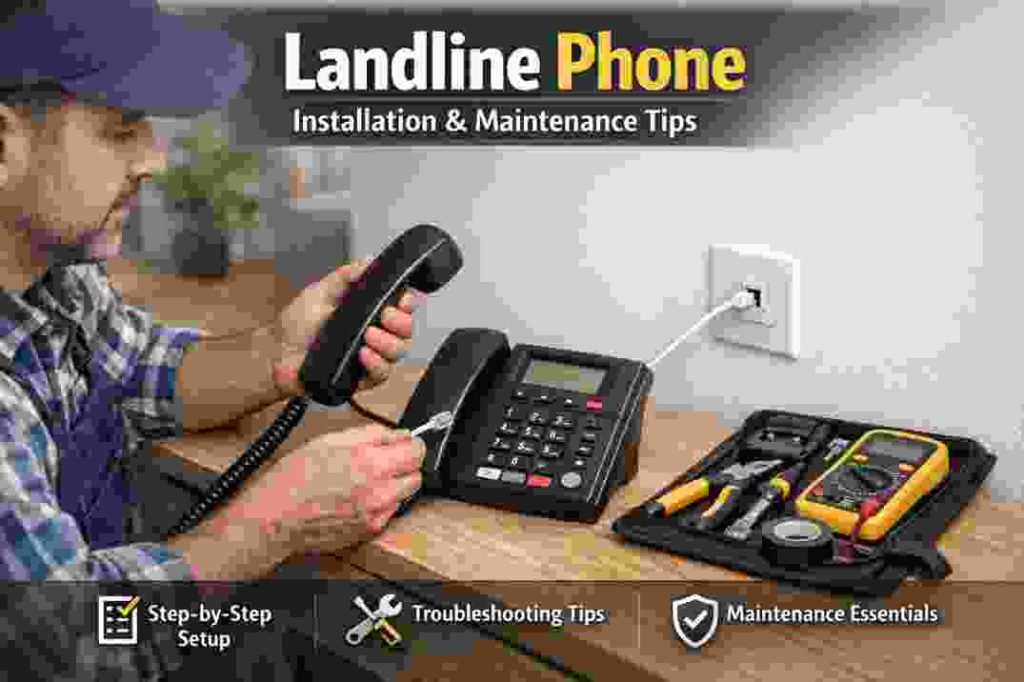
How to Install a Landline Phone
Follow these easy steps:
- Locate the Telephone Outlet: Usually a wall jack labeled “phone” or “TEL.”
- Connect the Cable: Plug one end of the RJ11 telephone cable into the phone’s base unit and the other into the wall jack.
- Power Up: Connect the power adapter if your phone requires external power.
- Test the Line: Lift the handset to check for a dial tone.
- Configure Settings: Adjust ring volume, speed dial, or other features per the user manual.
- Mount (Optional): Use screws and brackets to mount the base unit on the wall if desired.
Tips for a Successful Installation
- Avoid running telephone cables near power cords to reduce interference.
- Use high-quality RJ11 cables to ensure a clear connection.
- Label the cables if multiple lines are used.
- For multiple handsets, use a splitter or multi-line phone system.
Maintaining Your Landline Phone for Optimal Performance
Proper maintenance extends the life of your landline phone and ensures reliable service.
Regular Cleaning
- Dust Removal: Use a dry cloth or compressed air to clean dust from the handset and base.
- Connector Care: Periodically unplug and clean the RJ11 connectors to prevent corrosion.
- Avoid Moisture: Keep the phone away from liquids and humid areas.
Check Phone Cords and Connections
- Inspect cords for fraying or damage.
- Replace worn-out cables promptly to avoid static and dropped calls.
- Ensure plugs fit securely into outlets.
Test Line Quality Periodically
- Dial *# or test codes (consult your phone service provider) to check line status.
- Use a telephone line tester device to detect faults.
- Report persistent noise or connection issues to your service provider.
Benefits of Professional Installation and Maintenance
While DIY installation is possible, professional help ensures:
- Correct wiring and configuration
- Compatibility with existing networks
- Early detection of potential faults
- Compliance with safety standards
Consider contacting a certified technician if you experience persistent problems.
Landline Phone Accessories to Enhance Your Setup
Enhance your landline phone experience with these accessories:
- Cordless Handsets: Increase mobility within your home or office.
- Headsets: Useful for hands-free communication.
- Call Blockers: Filter unwanted calls and spam.
- Answering Machines: Record messages when you’re unavailable.
Environmental Considerations and Disposal
Older landline phones and cables should be disposed of responsibly. Consider:
- Recycling electronic waste at certified centers
- Donating working phones to charities or schools
- Avoiding landfill disposal to reduce environmental impact
FAQs About Landline Phone Installation and Maintenance
How long does a typical landline phone last?
A well-maintained landline phone can last 10+ years, depending on usage and model quality.
Can I install a landline phone myself?
Yes, basic installation is straightforward and can be done by most users with the right tools.
What should I do if my phone line has static noise?
Check and replace old cables, keep the phone away from electrical devices, and contact your provider if problems persist.
Are cordless landline phones better than corded ones?
Cordless phones offer mobility but may have shorter battery life; corded phones provide consistent power and connection.
Can I connect multiple phones to one landline?
Yes, using a telephone splitter or a multi-line system allows multiple handsets on a single line.
Conclusion
Proper landlines phone installation and maintenance are vital to ensuring a reliable and high-quality communication experience. Whether you are setting up a new phone or troubleshooting existing problems, following the right steps can save time, money, and frustration.
Remember to perform regular cleaning, check cables, and test your line quality periodically. If in doubt, professional installation and maintenance services can help maximize the lifespan of your landline phone.
About the Author