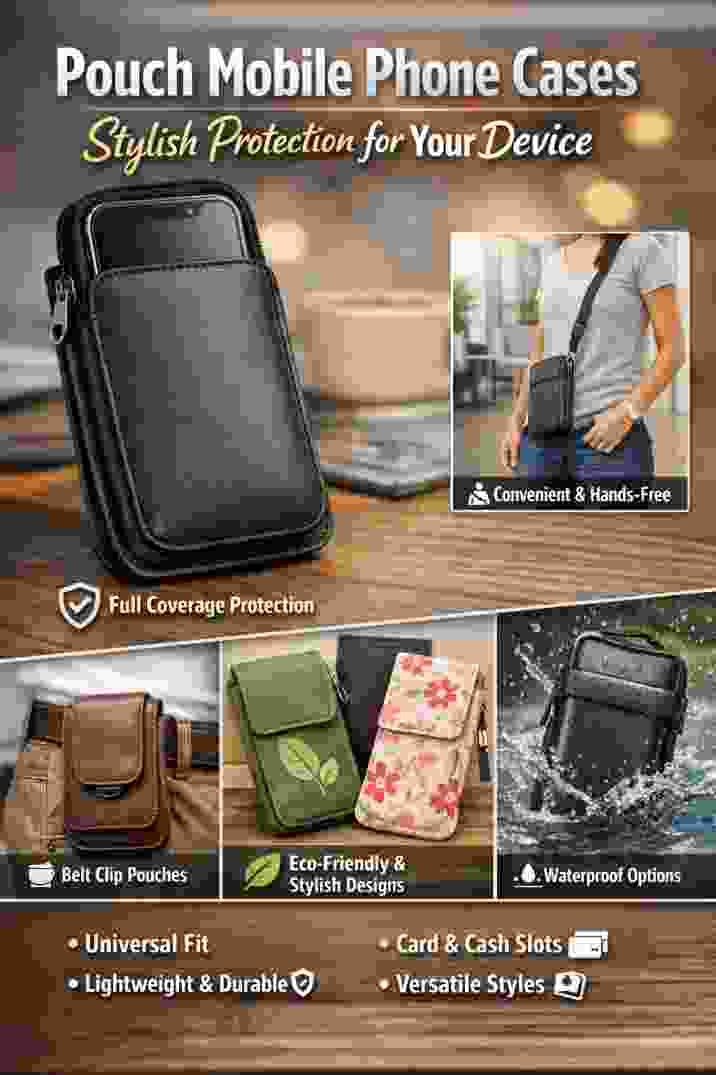
Modern smartphones are essential for everyday life, and keeping them safe is a top priority. Pouches for mobile phones combine protection with fashion, offering an easy way to carry your device. These pouches often include belts or straps so you can wear them crossbody, on your belt, or around your neck. They protect your phone from drops, scratches, and the elements while adding a stylish touch to your outfit. In fact, pouches often provide more protection than a slim case because they fully enclose the phone, while still allowing easy access when needed.

Smartphone usage is massive: about 78% of the global population owns a mobile device, and the accessory market for these phones is booming (valued at nearly $90 billion in 2024). With so many users, protecting those devices is crucial. A recent survey found 61% of smartphone owners have accidentally damaged their phone, even though 80% use cases. This highlights why many consumers invest in phone pouches and protective covers. Unlike hard cases, pouches can cushion the entire device and even include extra storage for cards or keys.
Pouches aren’t just about protection – they’re also about hands-free convenience. According to an expert phone-accessory guide, pouches “offer convenience and style, allowing for easy and hands-free phone carrying”. You’ll often see them used by commuters, travelers, and festival-goers who want quick phone access without bulky pockets. Whether made of nylon, canvas, leather or waterproof plastic, phone pouches keep your handset secure while complementing your daily look.
Benefits of Phone Pouches
Choosing the right phone pouch can greatly enhance everyday convenience. Key benefits include:
- Enhanced protection: Unlike a bare phone or thin case, a pouch encloses the device completely. It guards against drops, dust, and spills. Some pouches even float or are waterproof, safeguarding phones during water activities.
- Hands-free carry: Many pouches have belts or straps. You can wear them on your belt, across your body, or around your wrist, leaving your hands free during travel or errands.
- Extra storage: Some pouch designs include card slots or coin pockets. They double as mini-wallets, letting you stash ID, cash, or headphones along with your phone.
- Style & personalization: Pouches come in a wide range of colors, materials, and patterns. They let you personalize your phone gear – from sleek leather designs to vibrant fabric prints. Fashion magazines praise high-end pouches for their style (e.g. the Italian leather Kaai pouch).
- Safety and accessibility: Keeping your phone in a pouch can actually reduce the chance of dropping it on the ground (and cracking the screen). In fact, one report noted that nearly half of phone breaks happen to devices already in cases, suggesting even case users need extra protection like a secure pouch.
Manufacturers design pouches for specific uses. For example, waterproof pouches (often with a lanyard) protect phones on beach trips, floats, or hikes. Condé Nast Traveler’s experts recommend waterproof phone pouches because they seal out water and even float if dropped. The best ones let you take photos while sealed, and some have room for hotel keys or money. For office use, a belt pouch or sleek leather sleeve can keep your phone handy on your belt or desk.
Types of Phone Pouches
Phone pouches come in many styles to fit different needs:
- Belt-clip pouches: These have a clip on the back that attaches to your belt or bag strap. Ideal for quick access, they let you snap your phone in and out easily. Many are made of faux leather or nylon and often have a magnetic flap or snap closure.
- Holster and clip-on pouches: A variation on belt pouches, holster pouches sometimes have a rigid plastic back that fits onto a belt for extra security. They often come with swivel clips to let you orient the phone vertically or horizontally.
- Crossbody and neck pouches: These have long adjustable straps, so you can wear your phone like a small purse. Popular among travelers and hikers, these pouches keep phones secure and accessible at chest height. They usually include pockets for cards or cash. The Kaai Arch smartphone pouch (an Italian leather crossbody) is a stylish example praised for protection and hands-free design.
- Phone sleeves and wallets: These look like simple cases or wallets. They slide onto your phone like a book cover. Many have card slots inside or a flap with a magnetic closure. For instance, Bandolier’s Dillon phone purse is a case-style bag with multiple compartments, combining phone storage with wallet functions.
- Waterproof pouches: Typically made of plastic or vinyl, these pouches seal tightly with a zip-lock or roll-top closure. They often come with a neck lanyard. Designed for beaches, boating, or rainy conditions, they keep your phone fully dry. As noted by travel gear reviewers, the best waterproof pouches even float and are tested in pools and the ocean.
- Armband and sports pouches: For runners or gym-goers, there are lightweight fabric pouches that strap around the arm or thigh. They hold your phone (often with a clear touch-sensitive window) so you can track workouts without a free hand.
- Designer phone pouches: Some brands make pouches that double as high-fashion accessories. For example, leather clutch-style pouches or mini handbags can carry phones and a few essentials for night outs or formal events.
Each type has pros and cons. As one guide explains, phone pouches generally offer more protection than cases, but they usually have less storage than full bags. When choosing, consider how you’ll use it: a sturdy leather pouch on a busy commute, a floating pouch by the pool, or a compact sleeve in a slim pocket.
Materials & Durability
Phone pouches are made from a range of materials, each affecting style and resilience:
- Leather: Genuine or faux leather pouches (in black, brown, or colorful finishes) look elegant and age well. Leather can resist minor spills and scuffs, and it provides a premium feel. Travel+Leisure highlights an Italian leather pouch that even protects phones from light water splashes and UV damage. However, leather can be heavier and usually needs gentle cleaning to avoid stains.
- Nylon/Canvas: Many outdoor pouches use rugged nylon or canvas. These materials are lightweight, often water-resistant, and withstand wear. They’re common in belt pouches and crossbody bags for active use. A nylon pouch may have padded lining for shock absorption. Nylon dries quickly if it gets wet.
- Soft polymers and TPU: Some pouches incorporate soft silicone or TPU (thermoplastic polyurethane) linings inside for extra shock protection. Others are entirely flexible, making it easy to insert the phone. Look for shock-absorbing padding if drop-resistance is a priority.
- Plastic/Vinyl: The clear view on a waterproof pouch is usually vinyl or PVC. This material lets you see and tap the phone screen through the pouch. Choose high-quality, thick PVC for durability. Many pouches use double seals or welded seams for full waterproofing.
- Fabric blends: Cosmetic or novelty pouches might use cotton or polyester fabrics with printed designs. These are more about style than high protection, suitable for everyday urban use. They often have zipper enclosures and may include a soft inner lining to prevent scratches.
Regardless of material, consider stitching and closures. High-quality pouches will have reinforced seams, strong zippers or magnets, and sturdy hardware (like metal belt clips or D-rings for straps). Low-cost pouches may tear at stress points. Always check reviews for durability if you plan heavy use. Proper care (like wiping off moisture and avoiding overstuffing) will extend any pouch’s life.
Protection Features
A good phone pouch should protect your device from common hazards:
- Shock absorption: Many pouches include padded interiors or cushions. For example, padded cases can minimize damage from drops onto hard surfaces. The Pelican Marine Series floating pouch (mentioned by Condé Nast Traveler) is cushioned so it protects even when dropped. When shopping, look for “padded” or “shockproof” features.
- Water and dust resistance: Outside of explicit waterproof pouches, some pouches use water-repellent fabrics and secure closures to resist rain and dirt. A flap-over design or magnet can help seal out dust. If you expect wet conditions, choose a pouch with sealing zippers or waterproof rating.
- Scratch protection: A soft microfiber or fleece lining can prevent screen scratches and minor abrasions when slipping the phone in and out. Ensure the pouch interior has no rough edges or seams that could rub the screen.
- Sun/UV protection: Surprisingly, heavy sun exposure can damage electronics. A leather pouch can block sunlight, and some cases mention UV resistance. For beach trips, a waterproof pouch also blocks UV rays.
- Reflective or high-visibility features: For outdoor use, some pouches have reflective strips or bright colors to make you visible in low light. This is useful if running at night or cycling.
Protective pouches often feature additional seals or closures. Magnetic or snap flaps ensure the phone stays inside. Some designs include anti-theft locks or straps. When using a pouch, it’s wise to also keep screen protectors on your phone and avoid removing it in risky environments. The pouch is an extra layer of defense complementing your phone’s built-in protections.
Style & Fashion
Phone pouches aren’t just utilitarian – they’re a fashion statement. Here’s how style plays a role:
- Design and color: Pouches come in classic neutrals (black, brown, navy) and vibrant hues or patterns. A stylish pouch can match your outfit or stand out as a pop of color. For instance, Japanese brand Kaai offers a leather pouch in timeless colors that reviewers say looks like a chic crossbody bag.
- Texture and material: Sleek leather or faux leather conveys elegance. Canvas or woven fabric offers a casual, bohemian vibe. Neoprene or silicone gives a techy, modern feel. Embossing (like quilted or patterned finishes) adds luxury.
- Hardware and accents: Gold or silver metal accents (buckles, zippers) can elevate the look. Cute charms or tassels attachable to zippers let you personalize the pouch. Some designer pouches mimic high-end handbags with branded logos or stitching.
- Gender-neutral vs. gendered: Many pouches are unisex, but some brands market to women or men specifically. A slim, leather crossbody might be in a women’s collection, while a rugged nylon armband pouch might target fitness enthusiasts of any gender.
- Customization: If you want something unique, custom pouches are available. You can find artisans on platforms like Etsy making custom fabric pouches or even DIY kits for making your own. This way, your pouch can feature your favorite prints, your initials, or functional modifications.
In terms of current trends, minimalism is popular (simple pouches with clean lines and muted colors). However, retro styles (like embroidered or patch-decorated pouches) are also in vogue. Seasonal colors, holiday-themed designs, or sporty accents cater to different tastes. No matter your look, there’s likely a phone pouch that fits it – from streetwear-inspired pouches with bold graphics to sleek leather designs fit for business settings.
Daily Use & Convenience
How a phone pouch fits into your daily routine depends on your lifestyle:
- Commuting & Travel: Riding trains or buses? A crossbody phone pouch keeps your hands free for holding rails and prevents pickpocketing by keeping the phone visible and secure. Airport travelers use neck pouches to easily reach passports and boarding passes too.
- Outdoor Activities: Hikers and bikers often wear arm or belt pouches so they can use GPS or track fitness without juggling a device. Runners might prefer lightweight armbands so they can check music or calls during a jog.
- Work and Events: On the job site, a belt-clip pouch ensures your phone is always with you, even in toolbox or pocket-less uniforms. At conferences or casual outings, a stylish pouch doubles as a mini bag for your phone and wallet, reducing the need for an extra purse.
- Household & Errands: Even at home, you might like keeping your phone in a pouch on the belt while doing chores, to prevent accidentally dropping it. Some people use magnetic fridge wall pouches to keep phones off wet countertops.
- Gym/Fitness: As mentioned, armbands are ideal for workouts. They usually have touch-sensitive covers so you can pause music or change volume without removing the phone. They also sweat-proof your device.
- Nightlife & Leisure: A small wristlet pouch can hold your phone, cards, and lipstick for a night out. Because it straps around your wrist or fits easily in a larger bag, you’re less likely to misplace it.
Across all uses, the key is accessibility. Pouches often have open designs or quick-release closures. This means you can grab your phone and slip it back in faster than with a bulky bag. Many people appreciate that pouches keep their phone “within reach but out of their hands.” Social media and tech blogs recommend these pouches for keeping phones handy without distraction. For example, phone accessory guides note that pouche are popular for hands-free phone carrying in everyday scenarios.
Encouragingly, brands and retailers often highlight how a pouch makes life easier: “Slip your phone into this crossbody pouch and keep it at your fingertips during errands or travel,” they say. In essence, pouches extend pocket functionality – especially useful when pockets are full or non-existent (like in yoga pants or dresses).
Alt: Woman’s hand placing a smartphone into a black leather purse pocket. The convenience of phone pouches can increase page engagement, too. For example, some articles about phone gear encourage readers to share their own pouch picks or comment on their favorite styles, boosting social interaction. (After all, who doesn’t love sharing a cool find like a multifunctional phone bag?) We’ll end with a few tips and take questions to help you find the perfect pouch below.
How to Choose the Right Phone Pouch
Selecting the perfect pouch depends on your phone and preferences. Keep these tips in mind:
- Size & Fit: Measure your phone (including any case you use) to ensure it fits snugly. Many pouches are sized by phone model or dimensions. A too-tight pouch may tear or jam the phone, while a too-large pouch can let the phone slide around.
- Closure Type: Pouches may use zippers, snaps, magnets, or hook-and-loop (Velcro). Zippers offer secure closure but can be slower to open. Magnetic flaps or snaps open more easily, though very heavy use can loosen them over time. Test that the closure holds firmly.
- Material & Weather Resistance: Think about where you’ll use it. For rainy climates or beach trips, waterproof materials are key. For daily wear, durable fabrics or leather may be preferred. Consider if you need UV or water protection.
- Strap Style: Decide how you’ll carry it. If on your belt, get one with a strong clip. If you want crossbody use, look for a long adjustable strap (some are swappable). Some pouches have detachable straps so they can double as wallets.
- Additional Pockets: If you carry cards or keys, choose a pouch with built-in compartments. Even a small slot for a credit card can be a lifesaver. Remember, more pockets often means a bulkier pouch.
- Style & Color: Pick something that fits your wardrobe. You can opt for a neutral tone for versatility, or a bold color for visibility. If buying online, check customer photos (reviews often show real-life looks).
- Durability & Quality: Read reviews on stitching and hardware. Metal clips and buckles usually outlast plastic. Make sure zippers slide smoothly. For fabric pouches, washing instructions can indicate longevity – some are machine washable.
- Price vs. Brand: While designer pouches can be pricey, many affordable options exist. Sometimes you get similar functionality for less by choosing lesser-known brands. However, reputable brands often have better warranties and customer support.
Overall, base your choice on function first, style second. A good pouch should meet your everyday needs and then complement your aesthetic. Remember that the goal is to protect and easily access your phone, so a pouch that feels intuitive to use will likely be the one you stick with.
Top Picks (Examples)
To illustrate the variety, here are a few notable pouches from recent reviews and collections:
- Kaai Arch Smartphone Pouch: Praised for its refined look, this 100% Italian leather pouch (with crossbody strap) is both a bag and phone protector. Travel+Leisure notes it shields phones from water and scratches while letting you keep cards handy in built-in slots.
- Bandolier Dillon Phone Purse: A popular organizer-style pouch with three compartments (zip and slip pockets). It’s crafted from genuine pebbled leather and can carry your phone plus essentials like a charger or wallet.
- Pelican Marine Series Floating Pouch: A waterproof pouch that floats! With a detachable lime lanyard, it’s shock-resistant and certified to keep a phone dry at 3.3 feet for 60 minutes. It’s ideal for beaches, boating, or hiking in heavy rain.
- Sport Armband Pouches: (Generic examples) These neoprene armbands have touch-friendly windows and reflective trim. Perfect for running or cycling, they hold phones securely and often have a small pocket for keys.
- Urban Utility Pouch: Many outdoor brands make slim utility pouches (like Patagonia or North Face). These often clip to a belt or bag strap and have compartments for phone, multitool, and small essentials. They’re rugged and often water-resistant.
These examples show the range: from high-fashion leather crossbody to functional sports gear. When shopping, look at product dimensions and customer images to ensure it matches your expectations.
FAQs (Frequently Asked Questions)
Q1: What’s the difference between a phone pouch and a phone case?
A pouch is a holster or bag that holds the entire phone, often with a flap or zipper. A case typically snaps directly onto the phone’s body. Pouches enclose the phone and may provide more drop protection and storage (cards, etc.), whereas cases are low-profile and leave the phone partly exposed.
Q2: Can phone pouches really replace pockets or bags?
Many users find pouches a convenient pocket substitute, especially when wearing outfits without pockets (like dresses or workout gear). They keep phones secure at your side or neck, which can be safer than a back pocket. For short outings, a pouch can hold everything you need (phone, cash, ID), eliminating the need for a larger bag.
Q3: Are phone pouches waterproof?
Not all are. Waterproof phone pouches are a specific type made from sealed plastic and certified for water immersion. Regular leather or fabric pouches are not waterproof and should be kept dry. If you need water protection, choose a pouch labeled “waterproof” or “water-resistant” and verify with user reviews or specs.
Q4: Can I charge my phone without removing it from the pouch?
It depends on the design. Many pouches have openings or are thin enough to allow wireless charging or plugging in a cable. However, very waterproof or sealed pouches may require you to open them for charging. Check if the pouch has a designated port opening or supports wireless charging through the material.
Q5: How do I clean a phone pouch?
Follow the material care instructions. Leather pouches typically only need a wipe with a damp cloth (and occasional leather conditioner). Fabric pouches can often be hand-washed or spot-cleaned. Avoid harsh chemicals on phone pouche, and always remove the phone before cleaning. Let the pouch dry fully before using again.
Q6: Will a pouch work with any phone model?
Pouches are made in various sizes. Some are universal sleeves (they accommodate any phone up to a size). Others are model-specific (tailored to certain phone dimensions). Always check the pouch’s listed dimensions and compare to your phone’s length/width/thickness (including any case if you use one).
Q7: How do phone pouches handle multitasking (calls, camera)?
Most pouches let you answer calls by pulling the phone out of the pouch easily. Some designer pouche allow you to use the phone camera while it’s still in a clear-front pouch. Others require you to open the pouch to take photos. Many users carry the phone partway in/out of the pouch for quick selfies. Choose a pouch style based on whether you frequently need camera access.
Q8: Why are phone pouches still popular in 2025?
Despite slim phone designs, people value phone pouches for the extra protection and convenience they offer. The market for mobile accessories continues to grow (nearly 6% CAGR expected through 2034). Modern pouche have become sleeker and more feature-rich, keeping them relevant. They rank well for voice assistants too – e.g., a car phone holder or crossbody pouch can make hands-free “Hey Siri” or “OK Google” commands safer to use.
Q9: How does a phone pouch compare to a phone bag?
A phone bag generally refers to a larger carrying bag (like a small purse or tote) that may contain a phone pocket. A phone pouch is specifically sized for a phone or small accessories. Pouche are usually more compact and purpose-built, whereas bags offer more storage (for keys, wallet, etc.) but are bulkier.
Conclusion
In summary, pouches for mobile phones offer a smart blend of protection, style, and convenience. They shield your device from drops and weather, free your hands, and can complement any personal style. With options ranging from minimalist sleeves to feature-packed crossbody bags, there’s a pouch to suit every daily routine. When choosing, consider your phone’s size, material preferences, and how you plan to carry it. Investing in the right phone pouch can save you from costly damage (and embarrassment of a cracked screen) while adding a fashionable touch to your tech.
Stay updated on the latest styles and tech tips by exploring reviews and joining tech forums. Don’t forget to share this guide on social media if you found it helpful, and drop a comment about your favorite phone pouch below – your insights could help fellow readers find their perfect match!
Sources: Trusted gear reviews and studies have been cited throughout to ensure accurate, up-to-date information.
Pouches for Mobile Phones
About the Author